Overview of Dental Sensitivity Redditch and Its Implications
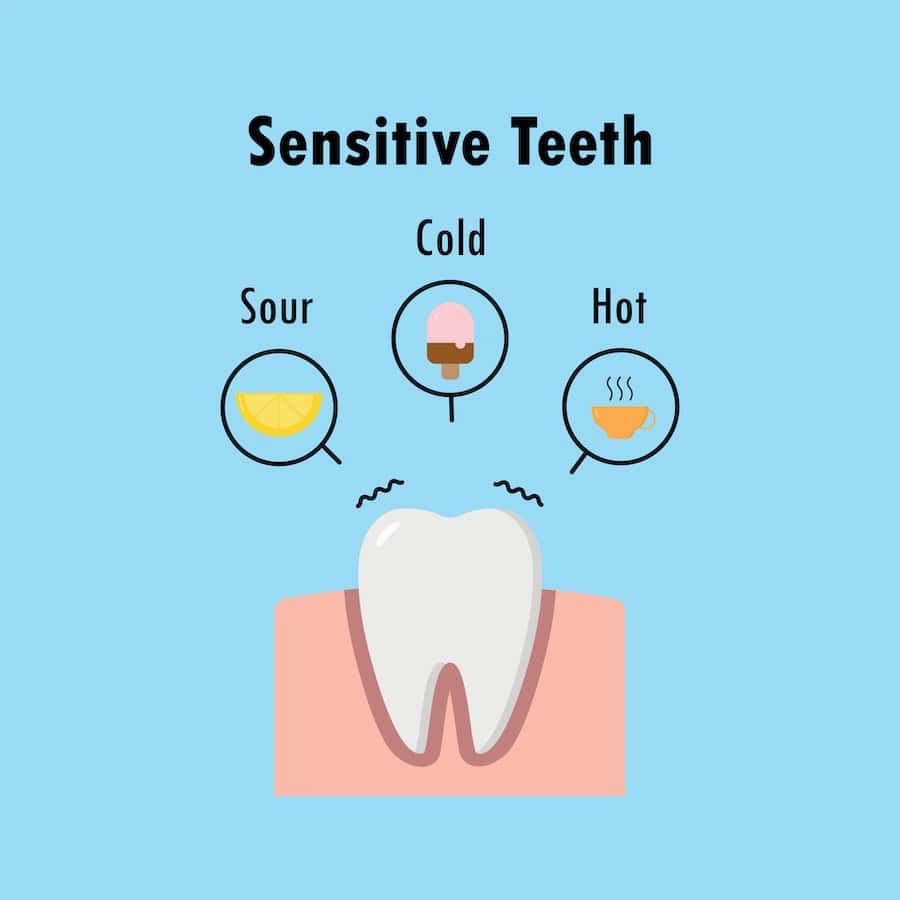
Dental sensitivity, also called dentin hypersensitivity, is a common condition that occurs when the dentin layer of the teeth becomes exposed, causing discomfort or sharp pain in response to stimuli such as hot or cold foods and drinks. The discomfort can be alarming and may lead to avoidance of certain foods or beverages that could trigger pain. This condition affects a significant portion of the population: estimates indicate that between 2% and 85% of individuals experience some degree of dentin hypersensitivity, particularly among adults aged 30 to 40, with a notable prevalence in females.
The implications of dental sensitivity extend beyond mere discomfort; they can significantly influence an individual’s quality of life.
Understanding the Condition
Dentin hypersensitivity occurs when the protective enamel layer, which shields the dentin, is worn away or damaged, exposing the underlying dentin. This layer contains tiny nerve endings that can become irritated by stimuli such as tooth sensitivity to temperature changes, sweet foods, and even dental hygiene practices like brushing. Over time, this exposure can lead to significant discomfort, which varies in intensity from person to person. Some individuals might experience only mild discomfort, while others might suffer from severe pain that disrupts their daily activities or social interactions.
Understanding the underlying mechanisms of dental sensitivity is essential for those affected. For instance, a person may notice that their sensitivity worsens during colder months when they consume more hot beverages. This seasonal variation can help individuals identify their triggers and seek appropriate preventive measures. Consulting with dental professionals can provide tailored treatment options that address individual needs and help manage the discomfort effectively. Brighten Your Smile Naturally: The Ultimate Guide to DIY Method Teeth Whitening
Causes of Dental Sensitivity Redditch
One of the primary causes of dental sensitivity is enamel loss, which can result from various factors, including aggressive brushing techniques, dietary choices, and the consumption of acidic foods and beverages. Enamel erosion exposes the sensitive dentin, making it more susceptible to stimuli and leading to discomfort. Another significant contributor to sensitivity is gum recession, which occurs when the gum tissue pulls away from the teeth, exposing the roots that are not protected by enamel. This condition can arise from improper brushing techniques, gum disease, and lifestyle choices such as smoking.
Medical conditions, such as acid reflux, can exacerbate enamel wear, increasing the likelihood of sensitivity. For example, a person with chronic acid reflux may experience significant sensitivity due to the continuous exposure of their teeth to stomach acids. Moreover, genetic factors can also play a role in an individual’s susceptibility to dental sensitivity. Understanding these causes helps individuals make informed decisions about their oral health and take preventive measures to protect their teeth. Prices For Teeth Whitening

Enamel Loss and Gum Recession Redditch
Enamel loss is a critical factor in increased dental sensitivity, as it directly affects the protective barrier around the dentin. The causes of enamel erosion can be diverse, including frequent consumption of acidic foods and drinks, aggressive brushing, and certain medical conditions such as acid reflux. Each of these factors contributes to the gradual wearing away of enamel, ultimately exposing the underlying dentin and leading to heightened sensitivity.
In addition to enamel loss, gum recession is a significant contributor to dental sensitivity. Factors such as gum disease, improper brushing techniques, and smoking can cause the gums to recede, exposing the tooth roots and making them more sensitive to external stimuli. For instance, an individual who brushes too hard may notice that their gums are receding, which can cause discomfort when eating hot or cold foods. Recognising the signs of gum recession is essential, as early intervention through proper dental care can help mitigate sensitivity and protect oral health.
Symptoms of Dental Sensitivity Redditch
Identifying the symptoms of dental sensitivity is crucial for those experiencing discomfort. Common signs include sharp pain triggered by activities such as eating, drinking, and brushing. Sensitivity can also occur in response to sweet or acidic foods, with some individuals experiencing lingering discomfort even after the stimulus has been removed. The pain associated with dental sensitivity can vary significantly in intensity; some may feel only mild discomfort, while others may suffer from severe pain that disrupts their daily lives.
For example, a person may experience a sharp pain while sipping a cold drink, which could lead them to avoid cold beverages altogether. This avoidance can significantly affect their dietary choices and social interactions, as they may decline invitations to gatherings where such foods and drinks are present. Understanding and recognising these symptoms allows individuals to seek appropriate treatment and implement management strategies to alleviate their discomfort.
The Impact of Teeth Whitening Redditch
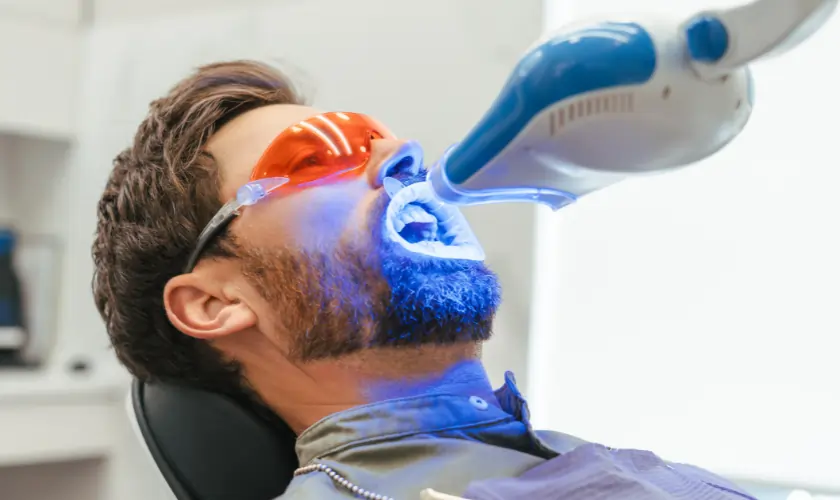
Teeth whitening treatments have gained popularity as an effective way to enhance smiles; however, they can temporarily increase dental sensitivity due to the bleaching agents used. The active ingredients in these treatments, typically hydrogen peroxide or carbamide peroxide, penetrate the enamel and dentin to lighten the teeth but may also irritate the nerve endings in the dentin. This sensitivity often arises during treatment and can vary depending on the method used—whether in-office or an at-home kit.
For instance, someone who undergoes an in-office whitening procedure may experience heightened sensitivity immediately following the treatment, leading to discomfort while consuming hot or cold foods. Although this discomfort often resolves after the whitening treatment is completed, understanding the potential for increased sensitivity can help individuals prepare for and manage their experiences. Dental professionals may recommend pre-treatment desensitising agents to reduce sensitivity during whitening, allowing patients to enjoy the benefits of a brighter smile with minimal discomfort. Whiter Teeth Naturally: Effective Alternatives to Chemical Whitening
Sensitivity During Whitening Treatments Redditch
The sensitivity experienced during teeth-whitening treatments is primarily due to the active ingredients in the whitening products. These agents can irritate nerve endings in the exposed dentin, causing temporary discomfort. The degree of sensitivity can vary widely among individuals; some may experience only mild discomfort, while others may find it significantly more intense, affecting their ability to enjoy everyday foods and beverages.
Individuals considering teeth whitening should be aware of their dental sensitivity history before proceeding. For example, a person with pre-existing sensitivity may choose to undergo at-home whitening procedures, which typically use lower concentrations of bleaching agents, to reduce the likelihood of discomfort. Proper consultation with a dental professional can help determine the most suitable whitening method for each individual, ensuring that sensitivity is managed effectively throughout the process.
Managing Dental Sensitivity
Effective management of dental sensitivity can be achieved through various at-home remedies and lifestyle adjustments. Desensitising toothpastes containing potassium salts are widely recommended, as they help block pain signals from reaching the nerves. These toothpastes can be particularly beneficial for individuals who experience sensitivity during specific activities, such as eating or drinking. Additionally, fluoride mouthwashes can strengthen enamel and further reduce sensitivity, providing a dual approach to managing discomfort.
For instance, a person who experiences sensitivity after drinking hot beverages can switch to a desensitising toothpaste and use a fluoride mouthwash to alleviate discomfort. Moreover, applying a cold compress to the outside of the mouth can offer temporary relief from acute sensitivity, while rinsing with warm salt water may help soothe irritated gums and provide comfort. Regularly incorporating these remedies into one’s oral care routine can help individuals manage their symptoms more effectively and improve their overall dental health.
At-Home Remedies
At-home remedies for managing dental sensitivity are not only practical but can also provide significant relief for individuals dealing with discomfort. Desensitising toothpastes are often the first line of defence, as they contain active ingredients that help block pain signals. Regular use of fluoride mouthwashes can also strengthen enamel and reduce sensitivity over time, contributing to a more comfortable oral experience.
Additionally, applying a cold compress to the outside of the mouth can alleviate acute sensitivity, while rinsing with warm salt water may soothe irritated gums and provide additional comfort. For example, someone who experiences discomfort after eating acidic fruits might benefit from rinsing with warm salt water to alleviate irritation. Exploring these at-home remedies can empower individuals to take control of their dental sensitivity and enhance their overall oral health. 12 Reasons To Choose The Ultimate Whitening Solution

Professional Treatments for Sensitive Teeth Redditch
For those seeking professional assistance, a variety of treatments can effectively alleviate dental sensitivity. Dentists may apply fluoride varnishes or desensitising agents, such as Gluma, to reduce pain and protect exposed dentin from stimuli. These treatments can provide immediate relief and are often tailored to the individual’s specific needs. Laser therapy is also emerging as a promising treatment option for dentin hypersensitivity, offering a less invasive alternative that targets sensitive areas without extensive procedures.
For instance, a patient experiencing severe sensitivity may visit their dentist for a fluoride varnish application, which can help seal exposed areas and provide immediate relief. These professional interventions not only alleviate pain but also support long-term dental health by addressing the underlying causes of sensitivity, such as gum recession or enamel loss.
In-Office Solutions
In-office solutions for managing dental sensitivity are designed to provide immediate relief and long-term benefits. Dentists can apply fluoride varnishes or desensitising treatments directly to the affected areas, helping to seal exposed dentin and reduce nerve irritation. Laser therapy is another innovative approach that targets sensitive areas, providing long-lasting relief with minimal discomfort.
Moreover, other interventions may include applying dental sealants to protect exposed roots from external stimuli or undergoing periodontal treatment to address gum recession that contributes to sensitivity. For example, a patient experiencing discomfort from exposed roots may benefit from a dental sealant application, which can help shield sensitive areas and prevent further irritation. These professional treatments not only alleviate pain but also improve overall dental health and comfort.
The Role of Oral Hygiene
Maintaining good oral hygiene is essential for preventing dental sensitivity and ensuring overall dental health. Regular brushing with a soft-bristle toothbrush and fluoride toothpaste can help prevent enamel erosion and protect sensitive areas. Daily flossing is equally vital for removing plaque and food particles that can contribute to gum disease and sensitivity. Furthermore, avoiding abrasive toothpastes is crucial, as they can wear down enamel and exacerbate sensitivity.
For someone conscious of their dental hygiene, adopting gentle brushing techniques can significantly impact their oral health. For instance, by brushing gently and regularly, they can protect sensitive areas and reduce the risk of developing sensitivity over time. Understanding the importance of proper oral care techniques can empower individuals to take proactive steps to maintain their dental health and prevent sensitivity.
Preventive Care Strategies
Implementing preventive care strategies is essential for reducing the risk of dental sensitivity. Regular brushing with a soft-bristle toothbrush and fluoride toothpaste can effectively maintain enamel integrity and protect against wear. Daily flossing is crucial for preventing gum disease, while avoiding abrasive toothpastes can help safeguard enamel and reduce sensitivity. Additionally, monitoring brushing techniques to ensure gentle strokes can protect sensitive areas and mitigate discomfort.
For individuals committed to their dental health, these preventive measures can significantly lower the likelihood of developing sensitivity. For example, a person who consistently practices good oral hygiene with a soft-bristle toothbrush and fluoride toothpaste may find that their sensitivity decreases over time. Establishing a comprehensive dental care routine can lead to long-term oral health benefits and a more comfortable experience. Navigating Pain Management During Teeth Whitening: What to Anticipate
Lifestyle Changes to Reduce Sensitivity Redditch
Modifying daily habits can significantly impact the management of dental sensitivity. Reducing intake of acidic foods and drinks can help prevent further enamel erosion, while using a straw when drinking acidic beverages can minimise contact with teeth. Quitting smoking is another critical lifestyle change that can improve gum health and reduce the risk of sensitivity.
For example, someone accustomed to drinking soda may notice increased sensitivity. By switching to water and using a straw when drinking other beverages, they can protect their teeth and reduce the likelihood of triggering discomfort. Staying hydrated is also beneficial, as adequate saliva production protects enamel and helps maintain a neutral pH in the mouth. Adopting these lifestyle changes can empower individuals to manage their sensitivity and promote better overall oral health.
Modifying Daily Habits Redditch
Modifying daily habits plays a vital role in managing dental sensitivity effectively. Reducing the consumption of acidic foods and drinks can significantly lower the risk of enamel erosion, while using straws when drinking acidic beverages can help minimise contact with teeth. For individuals who smoke, quitting can lead to improved gum health and reduced sensitivity risks, as smoking can exacerbate gum disease and contribute to enamel wear.
Additionally, staying hydrated is crucial for maintaining saliva production, which helps protect enamel and neutralise acids in the mouth. For instance, a person who regularly consumes acidic foods may find that their sensitivity diminishes when they focus on hydration and adopt healthier dietary choices. By making these lifestyle changes, individuals can effectively manage their dental sensitivity and enhance their overall oral health.
Choosing the Right Toothpaste Redditch
Selecting the appropriate toothpaste is crucial for managing sensitive teeth effectively. Toothpastes specifically designed for sensitive teeth often contain ingredients that block nerve pathways, providing relief from pain and discomfort associated with sensitivity. Popular brands like Sensodyne and Colgate offer various formulations tailored to sensitive teeth, allowing consumers to find the most effective product for their needs.
It may also be beneficial for individuals to consult dental professionals for recommendations tailored to their unique sensitivity experiences. For example, a person may find that a specific desensitising toothpaste significantly reduces their discomfort during routine brushing. Regularly reassessing the effectiveness of the chosen toothpaste can help individuals identify the right product that addresses their particular sensitivity issues and promotes better oral health.
Recommendations for Sensitive Teeth
When choosing toothpaste for sensitive teeth, look for formulations that contain active ingredients like potassium nitrate or strontium chloride, which are known to block nerve signals and reduce discomfort. Brands such as Sensodyne and Colgate offer products specifically for sensitive teeth, providing consumers with a variety of options to suit their preferences and needs.
It is advisable to consult a dental professional for personalised recommendations, as experiences with sensitivity can vary widely from person to person. For instance, someone may benefit from toothpaste designed explicitly for desensitisation, as recommended by their dentist. By regularly reassessing the effectiveness of their chosen toothpaste, individuals can maintain optimal oral health and comfort over time, allowing them to enjoy life without discomfort.
Identifying and Avoiding Triggers
To manage dental sensitivity effectively, it is essential to identify and avoid specific triggers that exacerbate discomfort. Keeping a diary of foods, drinks, and activities that trigger sensitivity can provide valuable insights into individual patterns and help them make informed dietary choices. Consulting with a dentist can yield personalised advice and management strategies tailored to one’s unique situation, ensuring that the underlying causes of sensitivity are addressed.
Gradually introducing new foods into one’s diet can also help pinpoint specific triggers more accurately. For example, a person may discover that certain fruits or dairy products exacerbate their sensitivity, prompting them to limit their intake. By increasing awareness of how seasonal changes affect their sensitivity, individuals can take proactive steps to manage their discomfort and maintain a healthier lifestyle. ULTIMA WHITE Laser teeth whitening in one hour

Managing Personal Sensitivity
Managing personal sensitivity effectively involves recognising individual triggers and implementing strategies to avoid discomfort. Keeping a diary of foods and activities that trigger sensitivity can help identify patterns and make necessary adjustments for better management. Consulting a dentist for personalised advice can provide effective strategies tailored to individual needs, offering guidance on navigating daily routines while minimising discomfort.
Additionally, gradually introducing new foods can help individuals pinpoint specific triggers more effectively. For instance, if someone notices heightened sensitivity after consuming a particular food, they may choose to limit or eliminate it from their diet. Increasing awareness of seasonal changes and their impact on sensitivity can also aid proactive management, helping individuals minimise discomfort and maintain their oral health.
Maintaining Long-term Dental Health Redditch
To maintain dental health and prevent sensitivity issues, regular six-month visits for professional cleanings and assessments are essential. Educating oneself about proper dental care techniques empowers individuals to manage their sensitivity effectively. Furthermore, using custom mouthguards for those who grind their teeth can prevent enamel wear and protect sensitive areas, significantly reducing the risk of developing sensitivity.
Incorporating a balanced diet rich in calcium and vitamin D supports overall dental health and further reduces the risk of sensitivity. For example, a person who maintains a diet high in dairy and leafy greens may notice a decrease in sensitivity over time. Establishing a comprehensive dental care routine, including regular check-ups, can support long-term oral health and help individuals enjoy a more comfortable, pain-free experience. By taking these proactive measures, individuals can significantly improve their dental health and quality of life.
FAQs — Dental Sensitivity: Causes, Remedies and Tips
1. What is dental sensitivity (dentin hypersensitivity)?
Dental sensitivity is a common condition where the dentin layer of your teeth becomes exposed, causing discomfort or sharp pain in response to stimuli such as hot or cold foods, sweet or acidic items, or even brushing and flossing.
2. What causes dental sensitivity?
Common causes include enamel loss from aggressive brushing or acidic foods, gum recession that exposes tooth roots, and other factors, such as lifestyle choices (e.g., smoking) or medical conditions, that can increase enamel wear.
3. Why does enamel loss make teeth sensitive?
Enamel is the protective outer layer of the tooth. When it wears away, the underlying dentin — which contains microscopic nerve endings — becomes exposed, making teeth more reactive to temperature and contact.
4. What symptoms indicate dental sensitivity?
Symptoms often include sharp or sudden pain when eating/drinking hot, cold, sweet, or acidic foods or drinks, sometimes even during routine brushing. The intensity can range from mild discomfort to more severe pain.
5. Can teeth whitening increase sensitivity?
Yes — teeth whitening treatments, especially those containing bleaching agents such as hydrogen peroxide, can penetrate enamel and dentin, temporarily increasing sensitivity during or shortly after treatment.